
This week I took my time reading the report Anthropic published on how employment has changed inside its own company (original report, summarised by TechCrunch). It’s a company that has shaped its work around AI, explaining what has happened to its teams with AI agents, and some of the figures made me stop.
I’ve been managing projects since 2016 and, since 2022, working as a Delivery Manager at VASS, coordinating multidisciplinary teams in sectors such as insurance and the public sector. So I don’t read it as tech news, but as someone who every week has to decide who does what, how it gets reviewed and when something is ready to ship. Here’s what I take from it.
In short: In teams with AI agents, work shifts from producing to reviewing, deciding and coordinating. There are fewer junior roles, human attention becomes the bottleneck, and new rituals are needed: reviewing agent output, guardrails, metrics that don’t mislead, and traceability.
What the data says (without exaggerating)
The most striking numbers in the report:
- Fewer junior roles. The share of junior employees in technical areas has gone from 21% to 14% since early 2025, and the share of junior technical hires has dropped from 27% to 9%.
- Agents work more hours than people. In August, AI agents directed by employees added up to about 6 hours of work for every hour of an employee. By March they had already overtaken human hours.
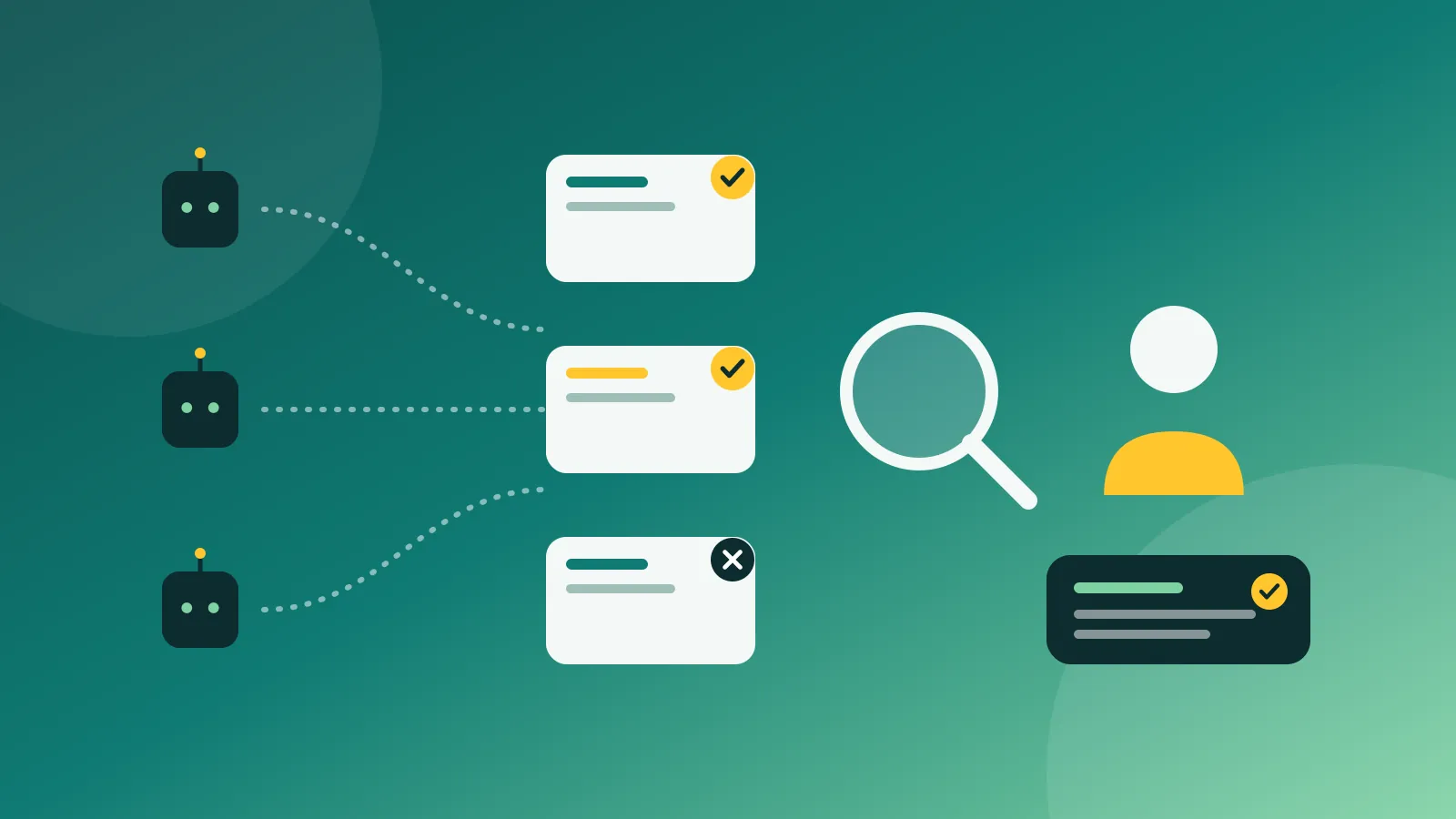
- Human attention is the bottleneck. Even among non-technical staff, reading everything their agents produce would take half of their working week.
- More meetings, not fewer. Time in meetings per employee has risen 20% in a year (16% for technical roles), which they put down to the importance of human trust and accountability.
- The work itself changes. In an internal survey, 20% said their job had gone “from doing the work to managing Claudes”. One engineer compared it to babysitting: every agent demands your attention with the same urgency.
It’s worth reading with perspective: it’s an AI company, with incentives to adopt its own product to the max, and Anthropic itself admits that “more code doesn’t necessarily mean better code”. But as an early signal, it deserves attention.
From doing to supervising: the role changes before the org chart
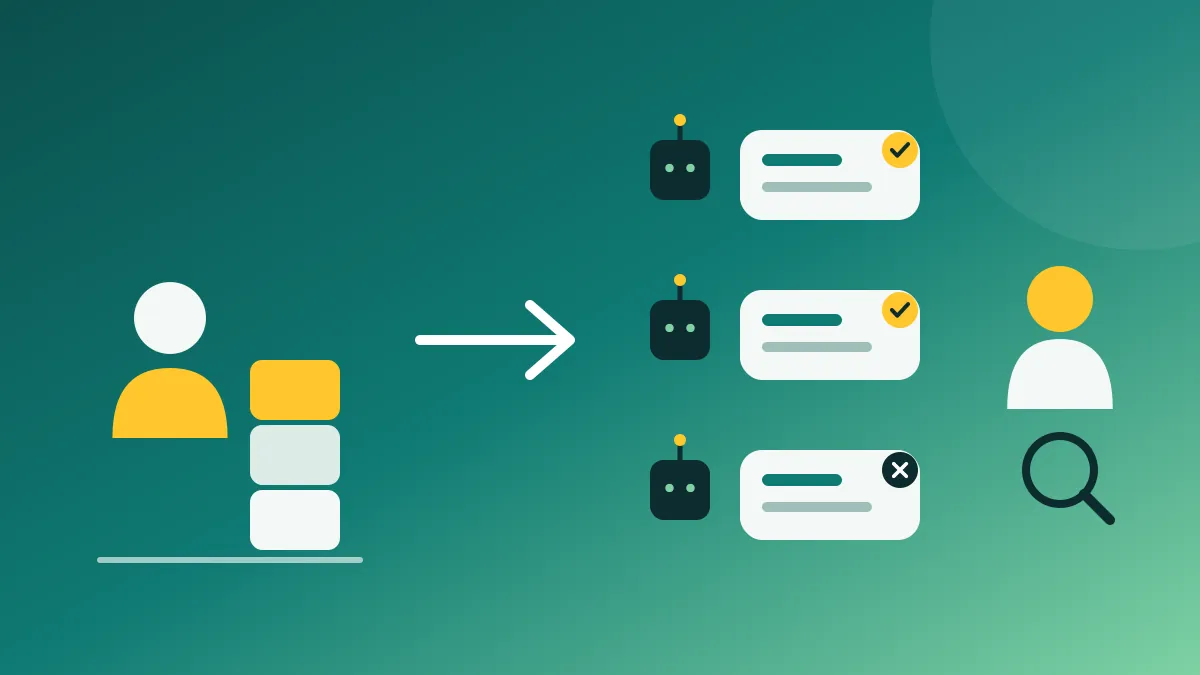
What resonates most with me is that work is shifting from producing to reviewing, deciding and coordinating. For those of us who have spent years in delivery, it sounds familiar: it’s what happens when someone moves from analyst to project manager.
The difference is that now this leap hits the whole team at once, with no prior training and without anyone changing their job description. A developer who “manages agents” is doing management on a small scale: prioritising, giving context, reviewing deliverables, deciding what gets discarded. If we don’t recognise it as real work, it piles up invisibly and ends in burnout.
That’s why the meetings figure doesn’t surprise me. When production gets cheaper, what’s scarce is shared judgement: agreeing on what “good” means, who answers for what and which risks we accept. For now, that still gets solved by talking.
The junior pipeline problem: how will people learn?
This is the point that worries me most. I started as a functional analyst. I learned by writing specifications that came back full of comments, doing boring tests and getting small things wrong before I was allowed to make big decisions. That “minor” work was the learning.
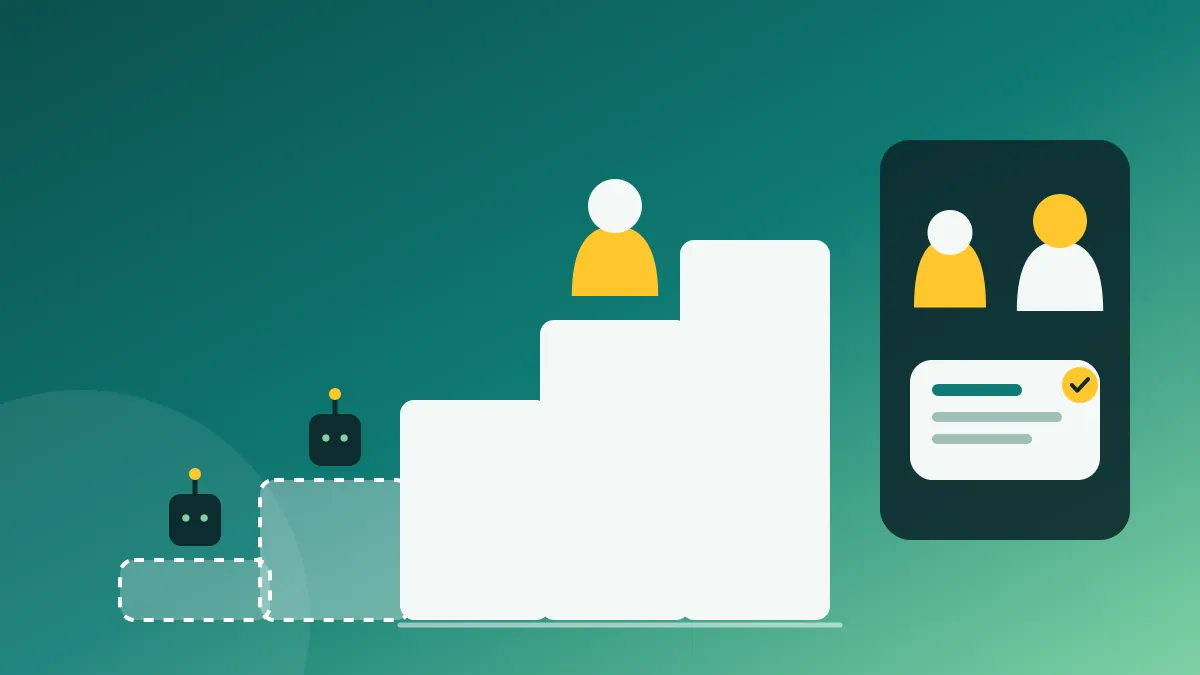
If agents take over exactly those tasks, and on top of that we hire fewer junior people, where will the seniors of five years from now come from? The report notes that hiring managers increasingly value autonomy and judgement over specific technical experience. But judgement doesn’t come out of nowhere: it’s built by doing and making mistakes with a safety net.
I don’t have the full answer, but I do have some ideas I’m applying or would try:
- Have junior people review, not just produce. Reviewing an agent’s output with a senior person alongside is an excellent way to learn what a good result looks like.
- Protect learning tasks. Not everything an agent can do should be done by it. Some tasks have teaching value even if they aren’t the most efficient.
- Make reasoning visible. Asking people to explain why they accept or reject an agent’s proposal turns review into mentoring.
By the way, I find it valuable that Anthropic has created an early-warning system to spot roles at risk and prioritises internal redeployment.
New rituals for teams with AI agents
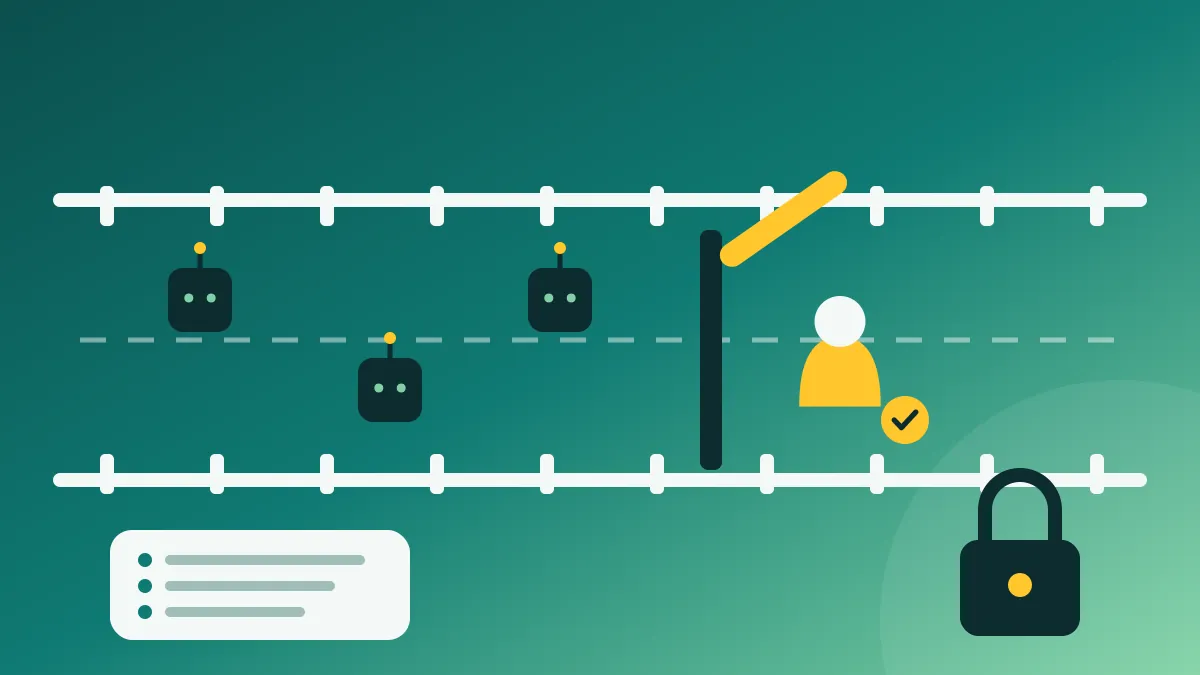
If the bottleneck is human attention, work has to be designed around it. Just as we once adopted dailies, retrospectives and code reviews (if you work with Scrum, this will ring a bell), I think new rituals are coming:
1. Reviewing agent output. “The agent did it” isn’t enough. Define who reviews, with what criteria and what sampling. You don’t need to read everything, but you do need to know what has been read and what hasn’t.
2. Explicit guardrails. What an agent can and can’t touch: data, environments, permissions, irreversible actions. OpenAI’s recent disclosure about agents that bypassed controls is a good reminder: according to Fortune, its transparency page now lists 19 incidents, most of them detected months later. There were cases of unauthorised data access and others where a model used as an automated grader didn’t consistently flag the problematic behaviour. Practical lesson: having one AI review another AI doesn’t replace an accountable person.
3. Metrics that don’t mislead. Measuring lines of code or documents generated is tempting and almost always misleading. I’d rather look at time to delivered value, late-detected defects, rework and, above all, the team’s review load.
4. Traceability. Knowing what each agent did, with what instructions and who approved it. In regulated sectors it isn’t optional, and it ties in with what I wrote about what to review in your team after the AI Act.
What I’d do tomorrow as a delivery or product lead
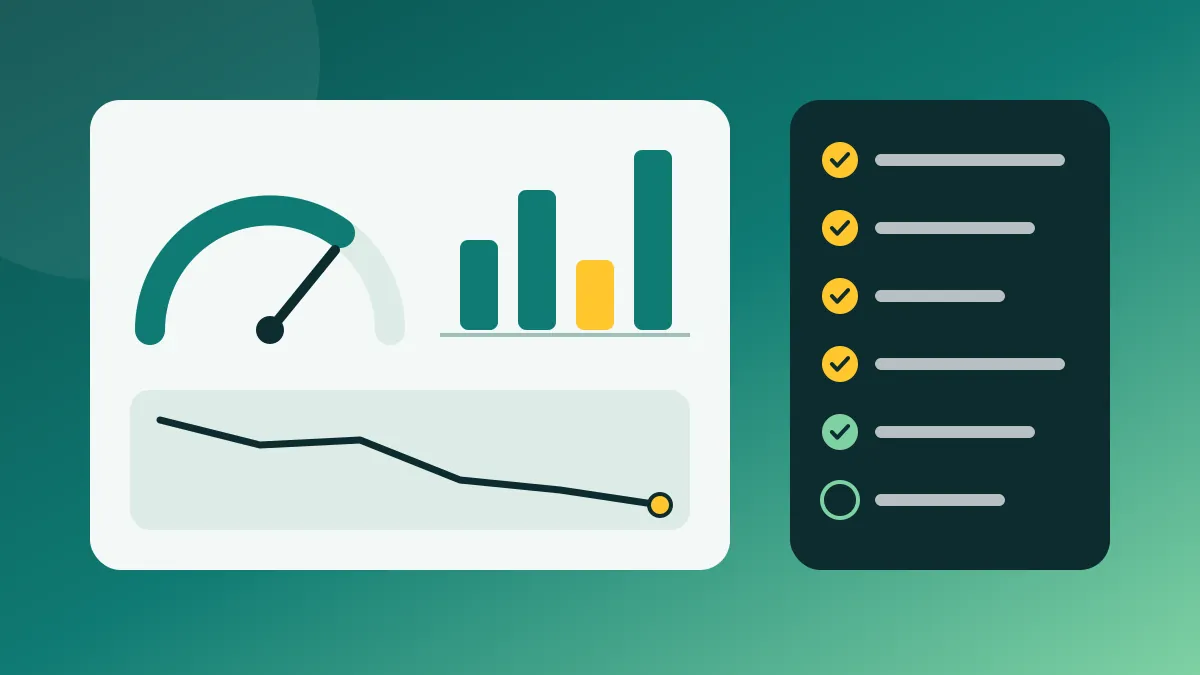
No big transformations; I’d start here:
- Map where agents are already working in the team, even informally. There’s usually more use than we think.
- Name one accountable person for each agent workflow. The agent executes; accountability stays human.
- Budget review time in planning. If an agent produces in an hour what used to take a day, review can’t keep being “whatever time is left at the end”.
- Redesign junior onboarding with accompanied review and protected learning tasks.
- Review rituals in the retrospective: which meetings build trust and which only exist out of inertia.
- Talk openly about the change of role. Many people feel they’re “no longer doing their job” when in fact they’re doing a different one, harder and less recognised.
What changes in a team that works with AI agents?
Work shifts from producing to reviewing, deciding and coordinating. Each person directs several agents, and their attention to review what those agents produce becomes the scarcest resource.
Will junior roles disappear?
Not necessarily, but the way they learn has to change: reviewing with a senior person alongside, keeping protected learning tasks and explaining the reasoning behind each decision.
What guardrails does an AI agent need in a company?
Clear limits on which data, environments and permissions it can use, human approval for irreversible actions, and a log of what it did, with what instructions and who approved it.
To wrap up
I don’t think AI agents will make teams unnecessary. What I do see is that they change what it means to be part of one: less execution, more judgement; less production, more accountability for what gets produced. And that requires leaders who design work with the same care we used to put into the project plan.
I’d love to hear how you’re experiencing this in your teams. Have you already changed a ritual because of (or thanks to) agents? And if you’d like to look at how to fit this into your organisation, here’s my page on business needs.